
Psychologist Sunshine Coast — Men's Psychology & Mental Health
Practical, structured psychology for men dealing with mental health, anger, stress, performance and relationship challenges. Based in Maroochydore. Online Australia-wide.
Medicare Rebates
Available
Online Australia
Wide
10+ Years
Experience
- Medicare rebates available
- Online sessions Australia-wide
- Registered psychologist
Psychology For men Sunshien Coast & Australia wide
Psychology For Men: A Practical Approach Built Around How Men Actually Think and Change
Psychology For Men is a boutique psychology practice on the Sunshine Coast, led by psychologist Clayton J Kuzma, focused exclusively on the mental health, emotional regulation, and relationship challenges faced by men. Our approach is practical, structured, and outcome-driven — built around how men actually think, process, and engage with change. Sessions draw on evidence-based cognitive, emotional and behavioral methods including CBT and ACT with a focus on real-world skills you can apply immediately — not just insight or awareness.
How is Psychology For Men different?
- Built specifically for men — tailored to how men often process stress, emotion, identity, pressure, and change, without overcomplicating the process.
- Practical, real-world focus — not just insight or talking. Clear strategies and tools designed to improve communication, emotional control, relationships, work stress, and day-to-day functioning.
- Structured and visual approach — using frameworks, diagrams, patterns, and practical examples to make concepts easier to understand, apply, and retain.
- Combines logic with emotional intelligence — helping men develop self-awareness, communication, and emotional regulation in a way that still feels grounded, rational, and practical.
- Evidence-based but down-to-earth — integrating proven psychological approaches with straightforward communication, accountability, and practical application.
Most men who reach out aren't in crisis. They're carrying too much — at work, at home, in their own head — and they want to handle it better. That's exactly what sessions here are designed for. No open-ended talking in circles. Just a clear, practical process that gets results.
What I Help Men With
Clear Direction. Practical Change.
Whether you're struggling with anxiety, mood, stress, anger, relationships, anxiety, or performance under pressure, sessions are designed to help you understand what's happening, identify what needs to change, and develop practical strategies that work in everyday life.

Anxiety, Stress, Overthinking & Worry
Worry spirals that won’t stop. Mental overload that keeps you up at night. Overthinking every conversation, every decision. The constant hum of anxiety erodes clarity and decision-making.
Sessions focus on interrupting the pattern and building the mental tools to stay grounded and break the anxiety trap.

Anger, Frustration & Reactivity.
Loss of control that shows up as explosions or simmering resentment. Irritability that damages relationships before you realise what’s happened. Emotional flooding that leaves you unable to think straight.
Anger management sessions focus on recognising the early warning signs and developing the capacity to respond rather than react.

Emotional Awareness and Regulation
Many men struggle with feeling overwhelmed, shutting down, overthinking, or carrying stress that gradually impacts their relationships, performance, and wellbeing.
Sessions focus on helping you improve emotional regulation understand your emotional patterns, regulate your nervous system, and develop practical skills to manage stress, anxiety, mood, and emotional reactivity more effectively.

Anger Management
Anger that damage relationships and work. Simmering resentment that poisons everything. Impact on your career, partnerships, and self-respect. Our Anger management Program is a structured, practical approach to finally overcome the cost of anger.
Sessions focus on anger management, identifying triggers, emotional regulation and building practical communication strategies that work under pressure.
Relationship Repair, Communication and Conflict Skills
Cycles of conflict that repeat. Disconnection that feels permanent. Feeling unheard or unable to express what matters.
Relationship coaching sessions focus on breaking the pattern, rebuilding emotional connection, and developing the communication skills that actually work.
For men who can’t make sessions we have a self paced program The Craft of Relationships focused on breaking bad habits in relationships, improving communication and relationship repair.

Performance
Overthinking, self-doubt, pressure, distraction, inconsistent confidence, and fear of failure can all interfere with your ability to perform when it matters most.
Sessions focus on understanding the mental patterns that affect performance, developing greater focus and composure under pressure, and building the psychological skills needed to perform consistently in sport, business, leadership, and everyday life.
Your Psychologist
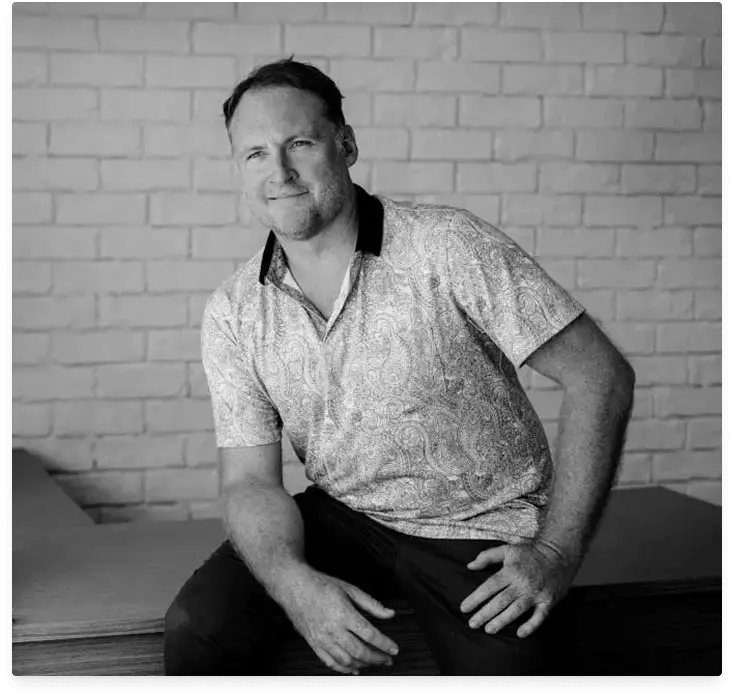
Clayton J Kuzma
I’m a psychologist specialising in men’s mental health, relationships, and performance. Over the past decade, I’ve worked with thousands of men through individual sessions and structured programs—helping them manage stress, anger, anxiety, and relationship challenges.
My approach is practical, structured, and outcome-focused. This isn’t just about insight—it’s about developing the skills to think clearly, respond effectively, and lead your life with intention.
Alongside my clinical training, my background as a tradesman, complementary health practitioner, partner, and father gives me a grounded, real-world understanding of the pressures men face.
Credentials
- Registered Psychologist (AHPRA)
- Masters of Professional Psychology (USC)
- Bachelor of Psychology (Honors) Griffith University
- Member of the Australian Association Of Psychologist (AAPI)
- 10+ years focused in men's mental health
- Trained in ACT, CBT, + other modelities
- Football Australia Coach (Cont. Education Diploma C)
What Often Improves In The First Few Sessions
While every person’s situation is different, many men begin to notice changes in these areas as they develop new skills and apply them between sessions.
In how they see themselves
- Feeling like someone who has control — not someone who’s controlled by their reactions
- Less anxiety, stress and improved mood. Improved sense of agency and control.
- A clear, practical understanding of what drives their challenges and how to manage it
- Confidence that the change they’ve built will last
In their relationships
- Fewer conflict — and significantly less guilt and shame afterwards
- The ability to have a difficult conversation without it turning into a fight
- Partners and children experiencing them differently — calmer, more present, more consistent
- Conflict that gets resolved instead of building and repeating
At work and under pressure
- Staying composed in high-pressure situations instead of reacting
- Making clearer decisions — not ones driven by frustration or reactivity
- Managing stress before it reaches the point of overflow
- Saying what needs to be said without aggression or avoidance
Getting Started
How to Get Started
01
Booking Enquiry
Complete a booking enquiry or call 07 5221 5842
02
Book Initial Appointment
Book Directly through the Calander
03
First Session
Discuss your situation and what you want to change.
04
Session Planning
Agree on a session plan and frequency
05
Begin the Change
Start your path toward change.
Getting started is straightforward. No lengthy intake forms. No waiting weeks for an appointment. Just a clear pathway about what you're dealing with and how we can help you change.
FAQ
Frequently Asked Questions
Clean, direct answers about what men's psychology is, how it works, and what to expect. No corporate speak. Just practical information.
What is Psychology For Men?
Psychology For Men is a psychology practice based in Maroochydore on the Sunshine Coast, led by psychologist Clayton J Kuzma. We work exclusively with men on mental health, emotional regulation, anger, stress, and relationship challenges — using structured, evidence-based approaches including CBT, ACT, and IFS.
Do you accept a Mental Health Treatment Plan (MHTP)?
Yes. If you have a valid Mental Health Treatment Plan from your GP, you may be eligible for Medicare rebates on sessions. You can see a GP without a referral to get one — ask your doctor about accessing the Better Access scheme.
What issues do you help men with?
Common areas include anger management, stress and anxiety, low mood, relationship and communication challenges, emotional regulation, and decision making. Many men come in dealing with one issue and find that sessions improve several areas at once.
How is your approach different from regular therapy?
Sessions are practical and structured — not open-ended conversations. You’ll work with clear frameworks, develop specific skills, and apply them between sessions. The focus is on measurable change, not indefinite exploration. This approach is built around how men typically engage with change: goal-directed, outcome-focused, and grounded in evidence.
Does therapy actually work for men?
Yes — when the approach fits. Research consistently supports the effectiveness of CBT, ACT, and structured psychological intervention for the issues most men deal with: anger, stress, anxiety, and relationship problems. The key is an approach that’s practical, not abstract. Men who engage consistently see real, measurable improvements.
Do you offer online sessions?
Yes. Sessions are available both in-person in Maroochydore and online — across Queensland and Australia-wide. Online sessions run on the same structured format and are equally effective for most presentations.
Can I see a psychologist without a GP referral?
Yes. You can book directly without a GP referral. A referral is only required if you want to access Medicare rebates via a Mental Health Treatment Plan (MHTP). Without a referral, you pay the full session fee privately.
How long does anger management take?
Most men see meaningful improvement within 6-12 structured sessions, though the timeline depends on the severity and frequency of the issue. Online anger management courses are also available for men who prefer a self-paced format alongside individual sessions.
What's the difference between a psychologist and a counsellor?
A psychologist holds a minimum of 6 years of university training, including postgraduate clinical study, and is registered with AHPRA. Counsellors have shorter training pathways and are not registered under the same national framework. For complex presentations — anger, emotional regulation, anxiety — a registered psychologist provides a higher level of clinical assessment and evidence-based intervention.
Service Area
Serving Men Across the Sunshine Coast and Online
Psychology For Men operates from Maroochydore on the Sunshine Coast, with sessions available in-person and online. Men from across the Sunshine Coast region access services here — including Maroochydore, Buderim, Mooloolaba, Caloundra, Noosa, Birtinya, Coolum, Kuluin, Sunshine Coast and surrounding areas.
Online sessions are available for men across Queensland and Australia-wide — making specialist men’s psychology accessible regardless of location or schedule.
Contact Details
Psychology For Men
3/87 Aerodrome Road
Maroochydore, QLD 4558
Ready to Get Started?
Make a Booking Enquiry
Complete the short enquiry form below and you’ll be taken directly to the booking calendar to select an appointment time that suits you.
Complete the form below or call directly on 07 5221 5842.
Crisis Support: If you are in crisis, please contact Lifeline on 13 11 14 or Beyond Blue on 1300 224 636.